
The Value of Vendor Inspections
Getting ready to sell your home takes time and preparation. Between cleaning, styling, and setting your price, it’s easy to overlook one of the smartest steps a seller can take: arranging a vendor inspection before putting the property on the market.
A vendor inspection, also called a pre-sale or pre-listing inspection, helps sellers uncover potential issues before buyers do. It’s a simple way to protect your sale, improve buyer confidence, and often achieve a smoother transaction overall.
What is a Vendor Inspection?
A vendor inspection is a professional building and pest inspection arranged by the seller, usually before the property is listed. The inspection identifies any existing defects, maintenance issues, or structural concerns that could affect the property’s value or the buyer’s decision.
It’s a visual, non-invasive process that covers all accessible areas, including the roof space, subfloor, exterior, and interior. The resulting report helps the vendor and real estate agent prepare the property for sale, set an appropriate price, and plan any necessary repairs or disclosures.
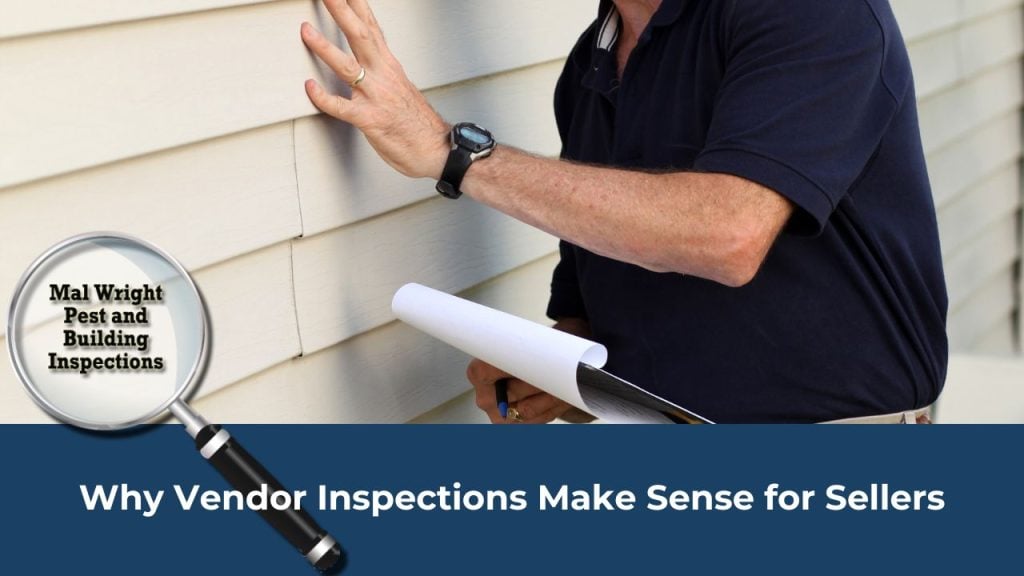
Why Vendor Inspections Make Sense for Sellers
There are several benefits to investing in a pre-sale inspection.
1. Identify Issues Early
A vendor inspection reveals problems before potential buyers see them. This gives you time to decide what to fix, disclose, or leave as is, helping avoid surprises later in the process.
2. Set a Realistic Price
Understanding your property’s condition allows you to price it accurately. You can confidently adjust your asking price based on any repair work required, making your home more appealing to serious buyers.
3. Build Buyer Confidence
When you provide an independent inspection report upfront, it shows transparency and honesty. Buyers appreciate knowing exactly what they’re purchasing, which can make your property stand out in a competitive market.
4. Avoid Delays and Renegotiations
If issues are uncovered during a buyer’s inspection, it can lead to delays or attempts to renegotiate the price. Addressing potential problems beforehand reduces that risk and helps your sale progress smoothly.
5. Strengthen Your Negotiating Position
With a detailed report in hand, you’re better prepared to discuss any findings. You can decide what to fix or disclose, keeping control of the conversation rather than reacting to last-minute discoveries.
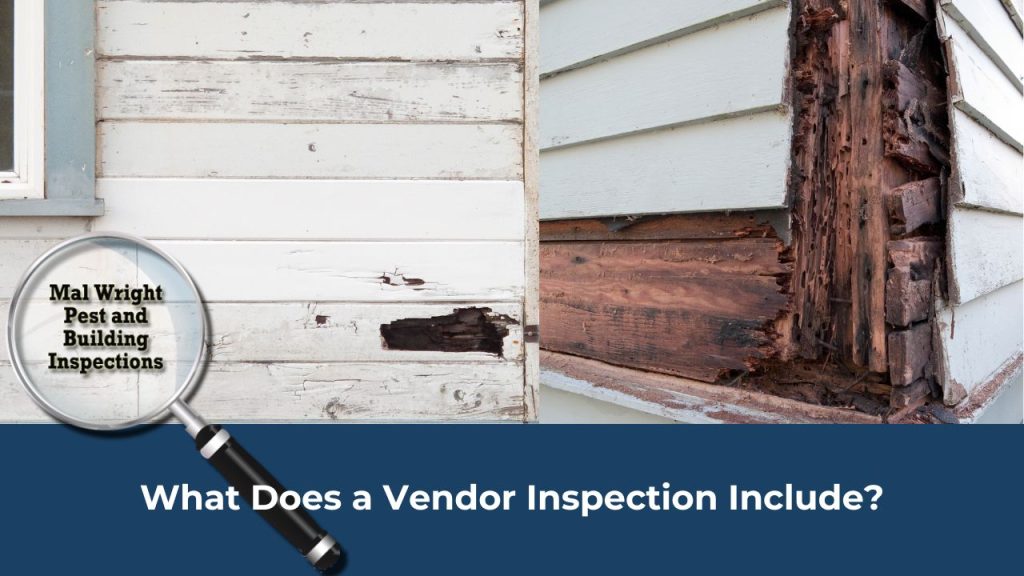
What Does a Vendor Inspection Include?
Each inspection company has slightly different inclusions, so it’s important to confirm what’s covered before booking.
A vendor inspection usually covers:
- Structural elements such as walls, ceilings, and foundations.
- The roof, roof void, gutters, and drainage systems.
- Visible plumbing and electrical components.
- Signs of pest activity, moisture, or wood rot.
- Interior and exterior finishes, including windows, doors, and joinery.
How to Prepare for an Inspection
These simple steps help the inspector do a thorough job and may prevent delays in your sale process. To make sure the inspection goes smoothly and the report is as accurate as possible, you can:
- Clear access to roof spaces, subfloors, and utility areas.
- Ensure electricity and water are switched on.
- Secure pets or move them temporarily.
- Provide records of any recent maintenance or repairs.
- Speak with your agent and inspector beforehand to clarify what will be assessed.
What to Do After the Report Arrives
Once you receive the vendor inspection report:
- Review it carefully with your inspector or real estate agent.
- Decide whether to complete repairs, disclose issues, or adjust your asking price.
- Update your property listing and contract documentation if necessary.
- Keep copies of the report and any repair receipts to show buyers.
If the report is positive, share it with interested buyers to boost confidence. If it highlights issues, you can demonstrate that you’ve been proactive and transparent about them.
Things to Keep in Mind
A vendor inspection isn’t a guarantee that no issues exist. There can still be limitations if access to certain areas is restricted. Buyers may also choose to arrange their own inspections, particularly for high-value properties.
While there’s an upfront cost involved, most sellers find the benefits such as reduced stress, faster negotiations, and greater buyer trust make it worthwhile.
The Bottom Line
A vendor inspection is one of the smartest steps you can take before selling your home. It provides clarity, reduces risk, and helps present your property in the best possible light. Buyers feel reassured, and sellers gain peace of mind knowing there are no hidden surprises.
If you’re preparing to sell in the Hunter Valley, Newcastle, or Central Coast region, contact Mal Wright Pest and Building Inspections. Our licensed team provides detailed, easy-to-understand vendor inspection reports to help you sell with confidence. Call our team on 0488 885 203 or alternatively, Order an Inspection online.