How Thermal Imaging Reveals the Truth in the Hunter Valley
Storms are a familiar part of life in the Hunter Valley, bringing much-needed rain to vineyards and farmland but also leaving behind a trail of damage. While broken fences, fallen trees, and missing roof tiles are easy to spot, the real threat often lies beneath the surface, hidden storm damage that isn’t visible to the naked eye. This is where thermal imaging has become a game-changing tool for homeowners, farmers, and property managers across the region.
Why Hidden Storm Damage Matters
After a severe storm, many people in the Hunter Valley breathe a sigh of relief when their property looks intact. However, appearances can be deceiving. Storms can cause:
- Leaking roofs where water seeps through microscopic cracks or loose flashing.
- Insulation damage that compromises thermal efficiency over time.
- Moisture intrusion in walls and ceilings, which leads to mould growth if left untreated.
- Electrical faults triggered by hidden water exposure.
These issues compound if unnoticed, leading to costly repairs down the track and even health risks from mould.
How Thermal Imaging Works
Thermal imaging cameras detect temperature differences in surfaces, creating a heat map of your home or building. In the wake of a storm, this tool highlights:
- Cold spots in ceilings or walls where water has penetrated.
- Areas of saturated insulation that no longer perform effectively.
- Subtle roof leaks that don’t immediately drip but spread slowly.
- Risk zones in electrical circuits showing unusual heat signatures.
For Hunter Valley properties, which often combine older rural homes with newer builds, thermal imaging provides certainty without the need for destructive inspections.
Local Storm Risks in the Hunter Valley
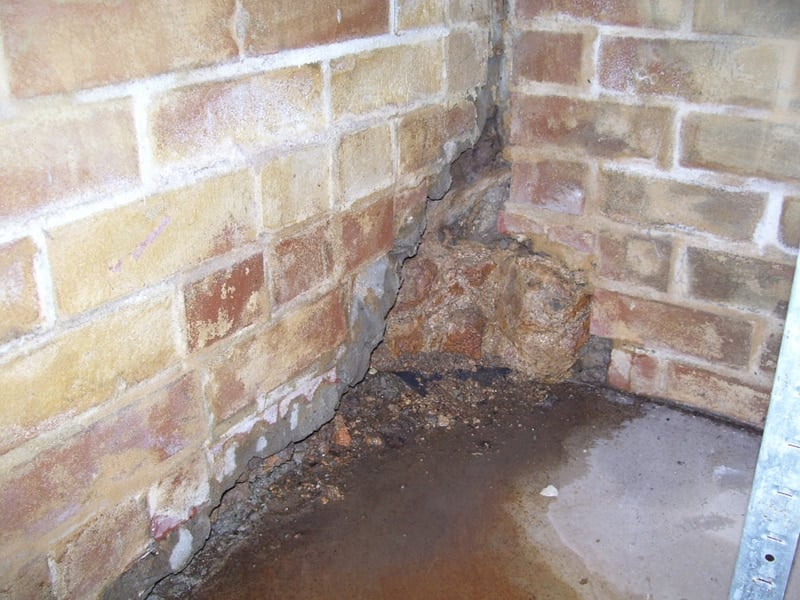
Water has the ability to find its way through even the smallest perforations in a roof. The real danger is that the point where the water enters is rarely the same spot where the damage shows up. It’s not uncommon for leaks to travel several metres along rafters, insulation, or battens before becoming visible.
Thermal imaging plays a crucial role in detecting these problem areas. It can pinpoint the source of a leak and reveal the spread of damage that might otherwise remain hidden. Consider this example: a single cracked roof tile allows water to seep onto a timber rafter. Over time, that moisture can run down the rafter and soak into the battens that support the roof tiles.
By combining our expertise with these tools, our inspectors can provide a thorough assessment. If the roof timbers show signs of decay, the issue moves from cosmetic to structural, potentially saving ‘you’ the homeowners thousands of dollars in repair costs before the problem worsens.
Benefits of Early Detection
Engaging a professional who uses thermal imaging after a storm offers major advantages:
- Peace of mind that your property is safe.
- Cost savings, by fixing damage before it escalates.
- Insurance support, as thermal imaging reports can provide evidence when filing claims.
- Value protection, safeguarding your home, farmhouses, or wine estate buildings.
Protecting Hunter Valley Properties
In Maitland, Singleton, Cessnock, or on a vineyard in Pokolbin, post-storm inspections should be a routine part of property care. Thermal imaging is not just for major damage; it’s about catching the small faults before they become a significant burden.\
Ready to uncover hidden storm damage before it becomes a costly repair? Book a professional thermal imaging inspection with Mal Wright Pest & Building Inspections today. Protect your home, safeguard your investment, and enjoy peace of mind knowing your property has been thoroughly inspected by experts.
Call our team on 0488 885 203 or alternatively, Order an Inspection online.